Skip to content
Maaz Ahmed

Fabric sourcing for fashion brands

Finding a fabric supplier you can trust is slow, and getting it wrong shows up later as returns. I find the mills, check the fabric in Karachi, and send you only the samples worth approving.

Book a consultation

The sample was right. The bulk was not.

The swatch felt right, so you approved it. Then the bulk arrived a little lighter, a shade off, and shrinking more than it should. The supplier says it is within tolerance. Your customers say it in reviews.

From the other side of the world it is hard to tell a good mill from a good sales email. Sustainability makes it harder: every supplier says organic and recycled, and fewer of them can show the certificate.

What I do

Turn what you want into a fabric spec

Fibre, weight, construction, finish, and the claims you need to be able to make about it. A mill can only match what is written down. Most sourcing problems start with a brief that says "soft, sustainable, good quality".
Shortlist mills that fit the order

From my network in Pakistan's textile industry, matched to your spec and your quantity. A mill that is right for a 50,000 metre order is often wrong for a first collection.

Check every sample before you see it

Suppliers send samples to me in Karachi. I check them against the spec first, so the only samples that reach you are the ones worth approving. That saves you weeks of couriers and rejections.

Ask for the paperwork behind the claims

Organic, recycled and OEKO-TEX are claims with certificates behind them. If a mill cannot show the certificate, the claim does not go on your product.

Visit the mill when the order needs it

For a new supplier or a large order, I go to the mill in person before bulk production starts. It is the fastest way to find out whether a supplier is what their sales email says.

Keep the approvals moving

Lab dips, revised samples and comments between you and the mill, in one place, in the same time zone as the people making the fabric.

I have sat on the mill side of the table

I am a textile engineer. I spent seven years in denim R&D at AGI Denim, one of Pakistan's largest denim manufacturers, developing around 200 fabrics a year for brands including H&M, Zara, Mango, Tommy Hilfiger and American Eagle.

So I know what a mill can actually deliver, where a weight or a shade tends to drift between sample and bulk, and which questions make a supplier take a small brand seriously. ForSustain Denim I specified every fibre and trim and worked with partners around the world. The fabric behind the Inhale collection came from the same work.

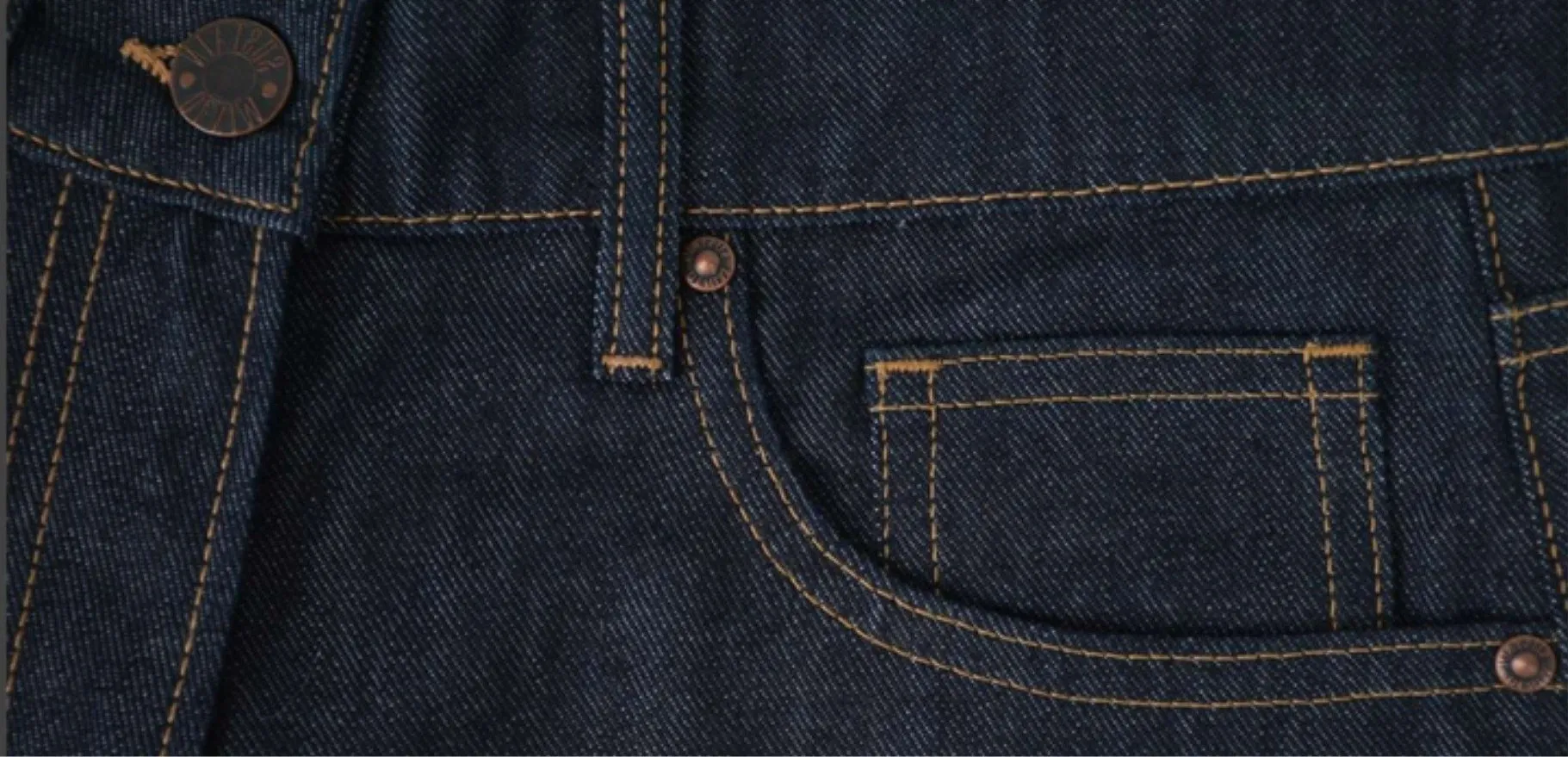
Front pocket of raw indigo jeans with gold topstitching and a copper rivet
Raw denim, Sustain Denim. Fabric and trims specified by me.
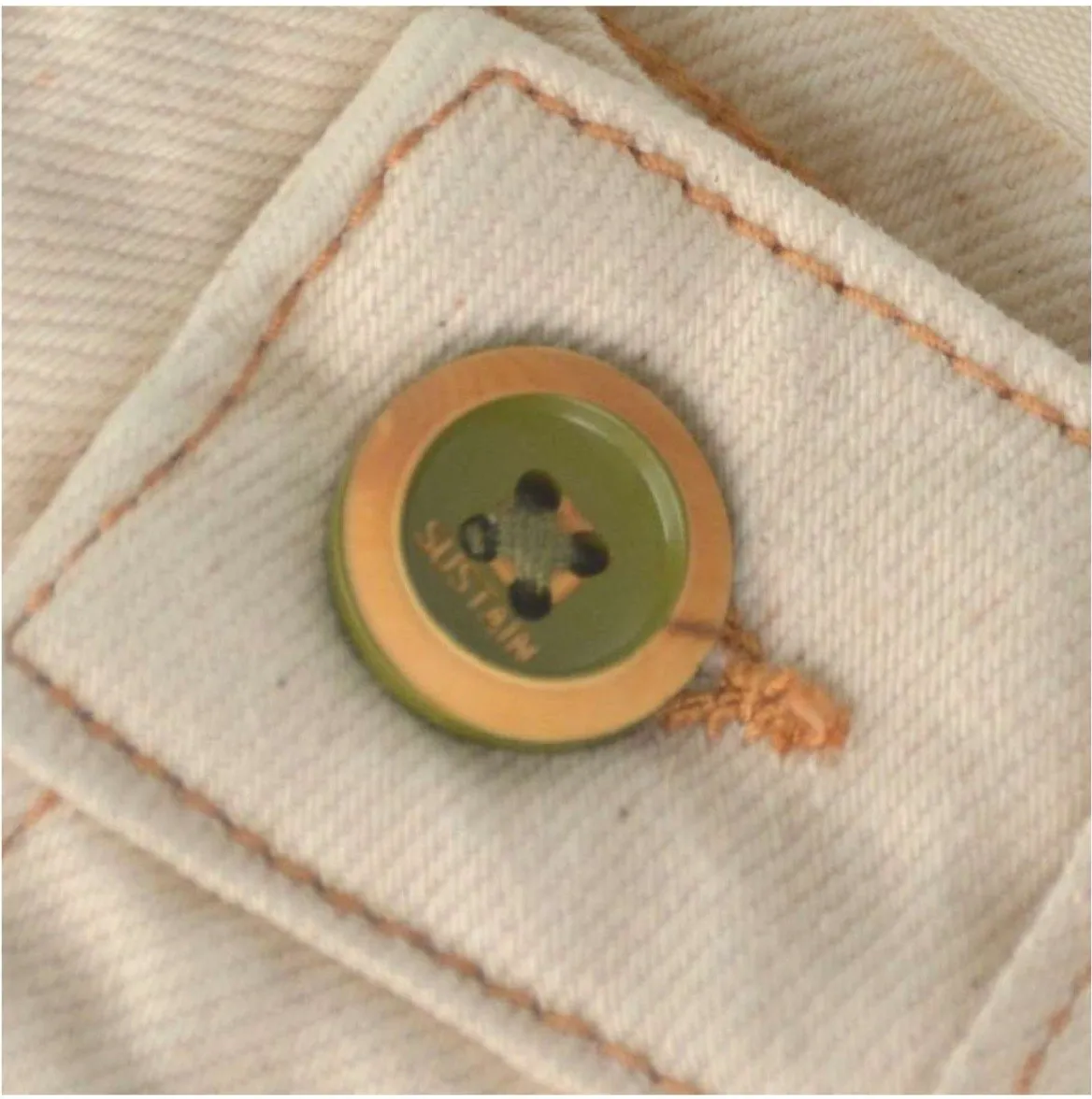
Four-hole wooden button dyed with fruit dye on ecru denim
Fruit-dyed wooden button, sourced for the ecru concept.
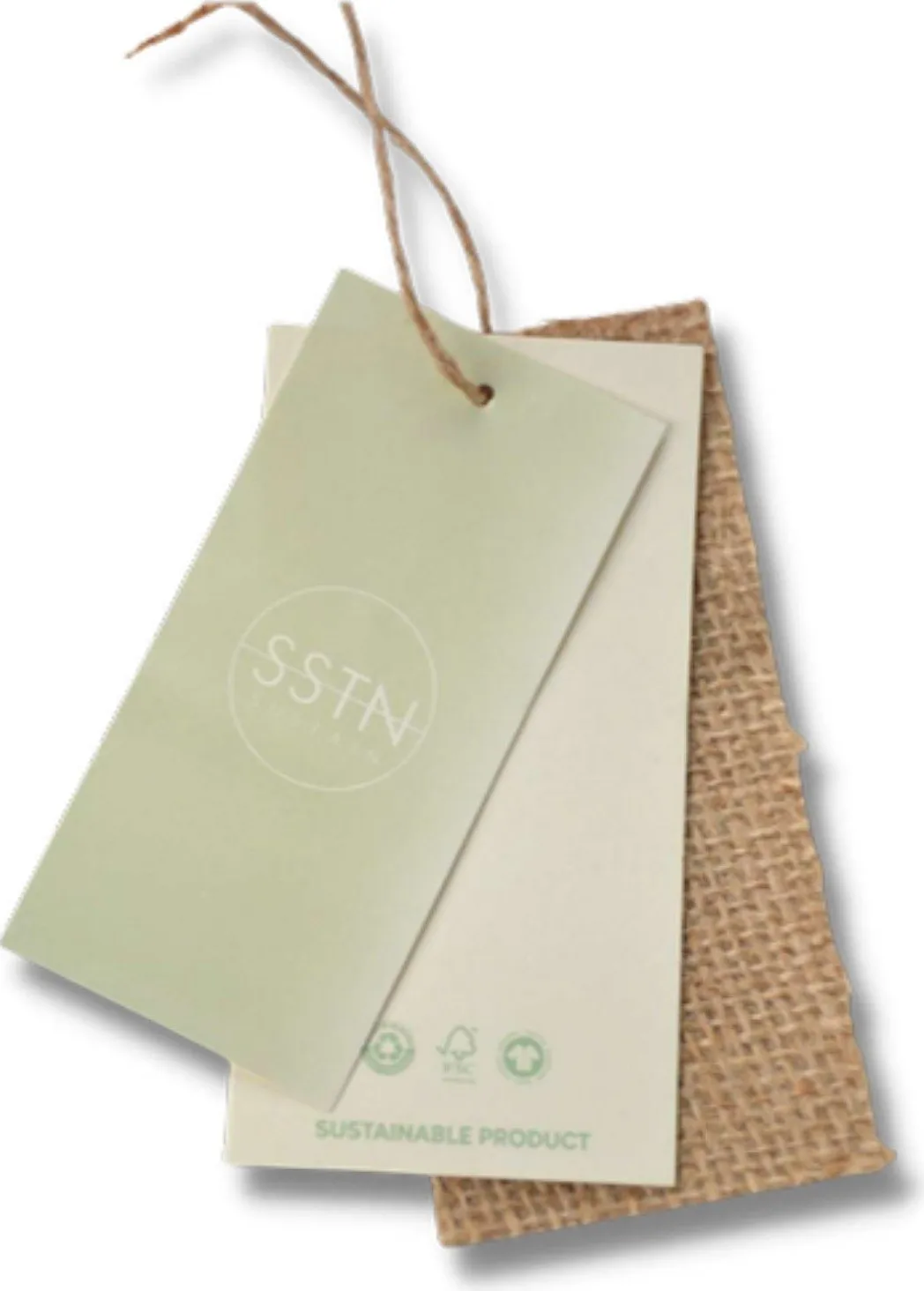
Three layered hang tags in sage, cream and natural jute on a cotton string
Recycled paper, cellulose and jute hang tags.

And when the fabric arrives, I know how to sell it

A sourcing agent stops at the shipment. I also doSEO for fashion brands. The composition, weight and certificates I check for you are the same facts Google and AI answers quote when they recommend a product. Most brands have them in a spec sheet and never publish them.

How the work runs

Brief

The garment, the fabric you have in mind, the quantity, the price range and the claims you want to make. I turn it into a written spec.

Shortlist

Mills that can meet the spec at your quantity, and what each of them is good and bad at.

Samples

Sent to me in Karachi, checked against the spec, and only the good ones forwarded to you with my notes.

Approval

Lab dips and revisions handled with the mill until you approve the fabric for your collection.

Questions

Which fabrics do you source?

Any. Denim, knits and wovens, from everyday cotton to technical and sustainable blends. I am a textile engineer, so I judge a fabric by its fibre, construction and finish, not by the name on the swatch card.

Where are the mills?

Mostly in Pakistan, where my network is. Pakistan is one of the world's major producers of cotton and denim fabric, and Karachi is where much of that industry sits.

Why route samples through you instead of straight to us?

Because most samples should not reach you. I reject the ones that miss the spec on weight, hand feel, shade or shrinkage before you pay to courier them, and you only spend time on the ones that could actually work.

Who pays to courier the samples?

You pay the courier for samples sent on to you. Because I reject the weak ones in Karachi first, you pay to ship far fewer of them.

What does it cost?

It depends on the brief. We talk it through on the first call, before any work starts.

Can you also help me sell the collection?

Yes. That is the unusual part. The fabric facts I check for you are the same ones Google and AI answers quote on a product page, so the same person can source the fabric and write the page that sells it.

Tell me what fabric you need.

Send the garment, the quantity and the market you sell in. I will tell you what I can find.

Book a consultation

Or message me on WhatsApp or LinkedIn.